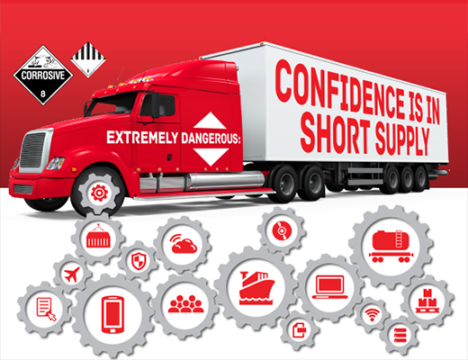
DG/hazmat shipping compliance is critical to the supply chain, but organizations often lack the infrastructure to keep pace with today’s changing compliance and risk mitigation landscape. TRUTH IN NUMBERS According to a Labelmaster Industry Compliance Confidence Survey, a large number of companies are not confident in their ability to be consistently compliant across their entire…
Infographic | Your Guide to Retail Reverse Logistics
For electronics companies in the e-commerce retail market, coordinating consumer returns of batteries and other hazardous materials can be a nightmare. Customers don’t know how to ship hazmat compliantly. In fact, they often don’t even know they’re shipping hazmat. And while recipients of non-compliant hazmat shipments (i.e., you) are not necessarily liable for mistakes made…

Can You Solve the DG Shipping Regulations Puzzle?
We all sometimes feel like we don’t have a clue about all the rules and agencies that regulate Dangerous Goods. Now you have 15! This puzzle will test your DG expertise. Every answer is an abbreviation of a regulatory agency or a set of regulations. The deeper your DG knowledge, the faster you’ll solve the…
Infographic | 2015 Regulations in Review
Emergency orders and advisories? Check. Airlines making their own rules? Check. Congress playing politics with key deadlines? No surprise to anyone who’s worked in the world of DG shipping regulations for more than 15 minutes. We know there’s only one constant—change. Download a printable PDF of the Infographic | 2015 Regulations in Review…

Infographic | The Essential ERG (Emergency Response Guide)
The Emergency Response Guide—better known as the ERG— is the first resource for identifying and responding to chemical hazards in a transportation emergency. You’ll find it anywhere people have a stake in the safe handling, transport and storage of Dangerous Goods. New additions, revisions and updates make the 2016 ERG the most essential ever. Here…
Infographic | The Essential ERG (Emergency Response Guidebook)
The Emergency Response Guide—better known as the ERG— is the first resource for identifying and responding to chemical hazards in a transportation emergency. You’ll find it anywhere people have a stake in the safe handling, transport and storage of Dangerous Goods. New additions, revisions and updates make the 2016 ERG the most essential ever. Here…

Infographic | GHS and the 2012 OSHA Hazcom Standard
Competing in the global marketplace is an increasingly challenging proposition when supply chains cross borders, languages and international regulations. One way governments and regulatory agencies are helping to facilitate international trade — and improve employee safety — is through the adoption of globally harmonized standards for hazard communication. For more information on GHS and HCS…

Infographic | What Makes Lithium Batteries Special?
What is it about lithium batteries that makes them so effective at powering the world around us? What is it about them that classifies them as Dangerous Goods? This infographic takes a quick look at the remarkable technology behind these high-energy power sources and offers tips for ensuring safe and compliant shipping. To…
Infographic | What exactly are Dangerous Goods?
Beyond explosives, corrosives and other flammable or radioactive materials, the Dangerous Goods classification encompasses a surprising array of everyday items. This infographic takes a look at some of the things people might be surprised to learn are regulated when it comes to shipping. To learn more about these and other important DG topics…

Infographic | Dangerous Goods on Roads and Rails: Placards
Maintaining compliance with Dangerous Goods regulations doesn’t stop with packaging and labeling. Shippers need to be aware of placarding requirements before putting their shipments into commerce. This infographic provides a brief overview of the regulations governing the use of placards on trucks and trains. To learn more about these and other important DG…